Dark money is the money that floods elections by taking dark routes where donors can inject unlimited amounts of cash in elections without being detected. This hidden money, passed through nonprofits, shell companies and super PACs, reached a record of 1.9 billion in the 2024 U.S. federal cycle, almost twice the amount in 2020. It is an invisible river that distorts democracy masking the identity of the person purchasing influence as the voters speculate about the actual intentions.
What Exactly Is Dark Money?
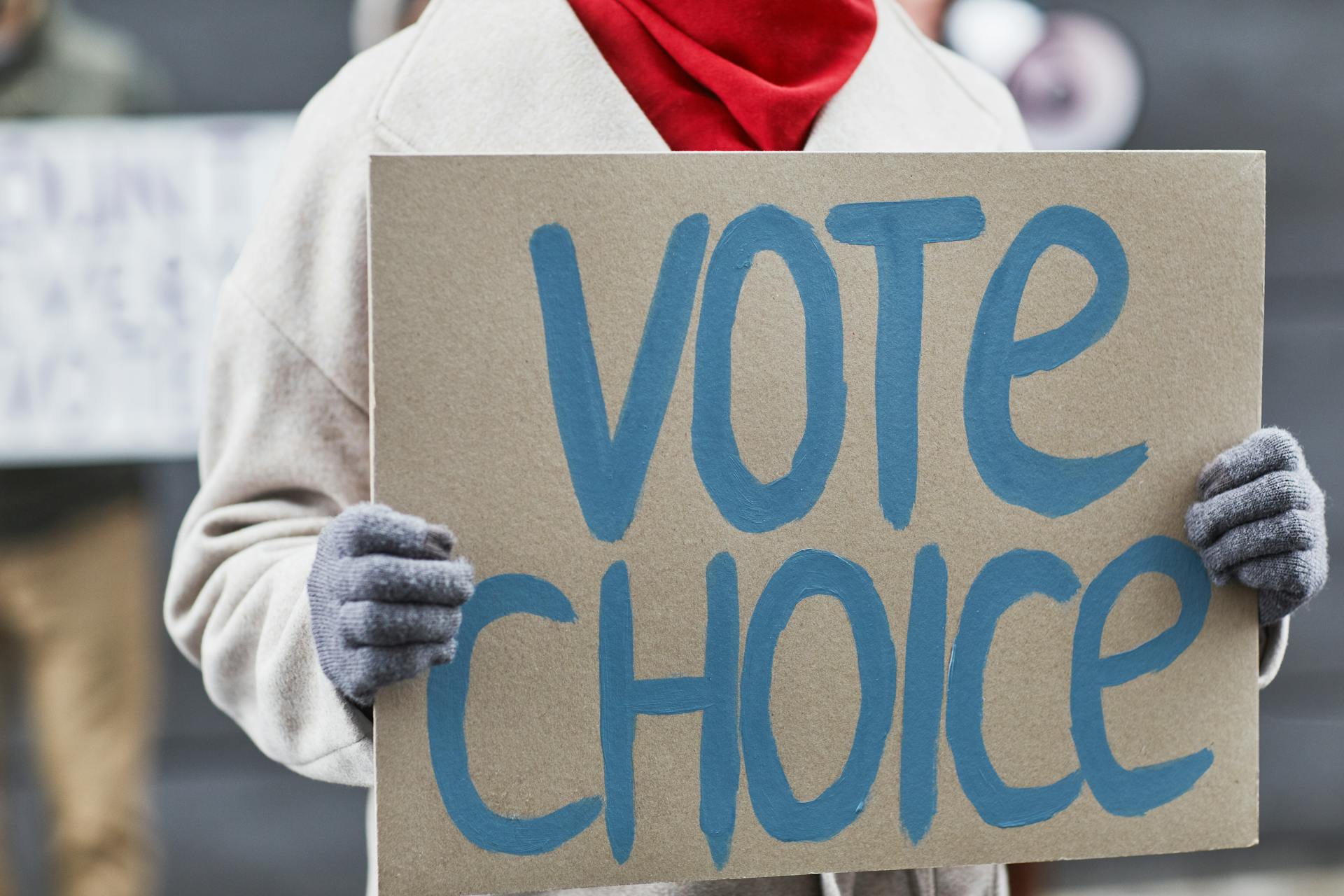 Dark money refers to political expenditure to influence electorate with the sources of donation remaining not disclosed. It is passed through 501(c)(4) social welfare (or trade) groups that do not disclose funders as opposed to direct contributions, which have caps. Super PACs are required to disclose the donors, but tolerate anonymous cash brought by the same parties or pop-up LLCs. Since the Citizens United loophole in 2010, this has burst open: groups used up $4.3 billion at the federal level since, in many cases, they did so through ad purchase or transfers that evaded FEC regulations. Gray money introduces an element of murk – late-cycle transfers revealed after election.
How It Enters the System
Nonprofits receive large checks anonymously, and pass on to affiliated super PACs. In 2024, dark groups began using huge PAC dumps, which make it difficult to track them. Shell LLCs Shells with dozens of 50-1M in 2016 obscure. Internet advertising avoids regulation using problem-oriented language; unmonitored television advertising was also discovered by Wesleyan. The total undercounts are still present, with certain digital flows disappearing. It is a two-sided game: Democrats outspent Republicans 1.5b to 200m undisclosed in 2020.
Record Surge Since Citizens United
The Supreme Court case of 2010 authorized unlimited corporate/union expenditure, on the condition of transparency. The reality inverted it: dark money increased to the most secretive cycle ever, growing as big as 300M in 2012 and as high as 1.9B 2024. Republicans tilted more initially, but parties are now even, with Republicans initially outspending Democrats, 94M to 28M in 2014. The Americans for Prosperity led by Koch were the quintessential issue advertisements covering candidate attacks; Crossroads GPS led by Karl Rove spent $47M that year. 2022 was three times as many shell contributions as 2018.
Impacts: Ads, Policies, and Voter Deception
Sneaky cash bankrolls assault 5-10% of the voters, and are undefaminated on air. It conceals foreign interference through lax nonprofit regulations- Obama era riders hold doors open. Policies skew, donor industries are deregulated, tax cut. Buyback reduces voter confidence in purchased contests; voter turnout declines as a result of cynicism. Most funds are sidelined and high-profile targets drain the majority of funds.
Global Parallels and Evasions
This was reflected in India electoral bonds up to 2024 when it was banned, concealing corporate billions. European populists employ such nonprofits; UK dark flows before the election are reminiscent of U.S. antics. Pop-up PACs game deadline, expenditure pre-vote n.d. Think tanks wash through grants, according to 2025 investigations.
Tracking and Fighting Back
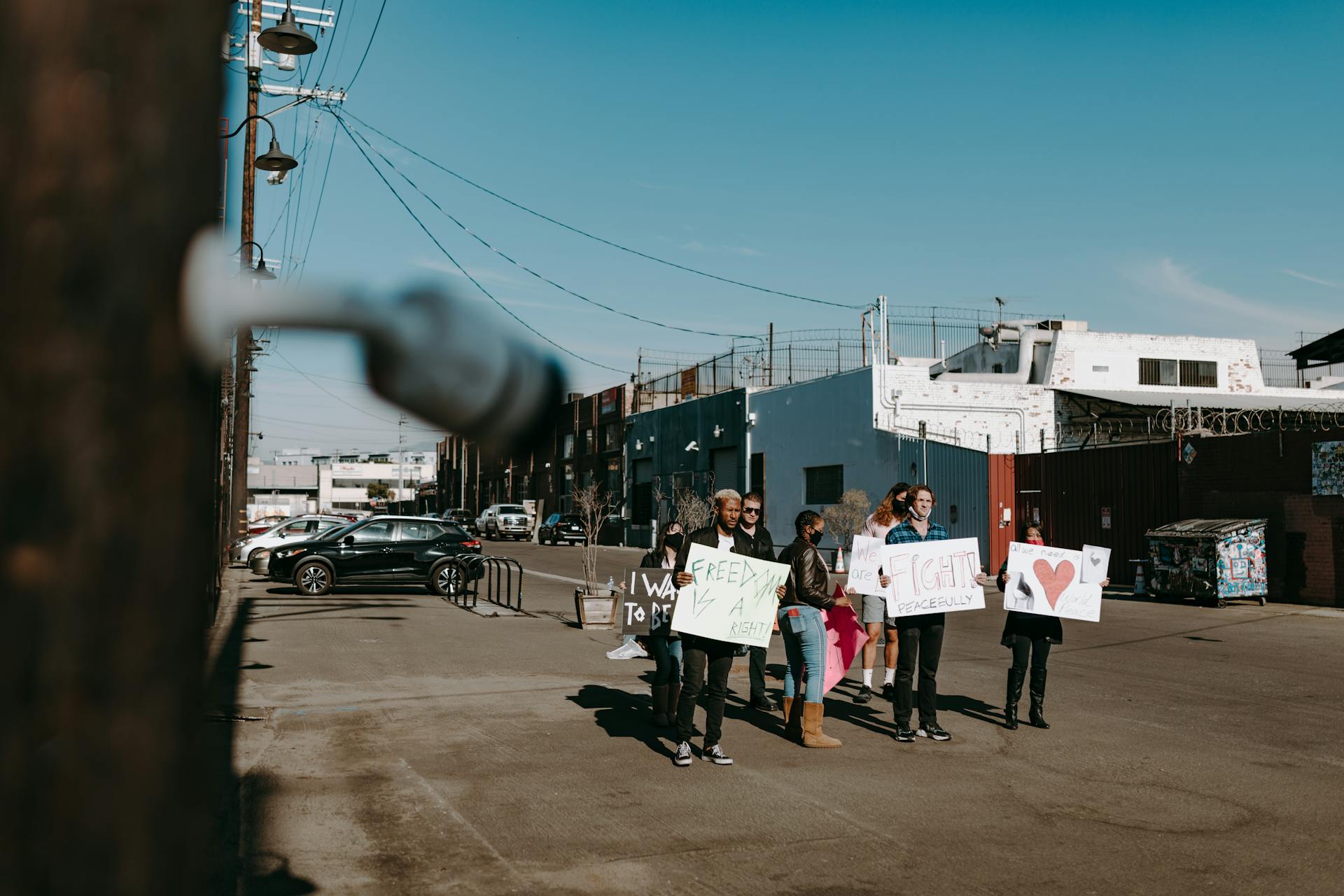 Such tools as the OpenSecrets combine FEC data, yet loopholes exist. Brennan Center agitates disclosure; reforms such as DISCLOSE Act are paralyzed. Public funding, donor funds overseas. Voters want transparency boycott donors, support trackers.
Dark money cannot survive without secrecy, but sunlight kills it. $1.9B in 2024 demonstrates how dangerous it is; the solution is awareness. Then follow the shadows, demand light–your vote must be truth, not tricks.