An arrest can turn a normal day upside down. The first day matters, whether it’s for you or someone close to you. You can take steps to slow stress and support release. This is a basic overview of the first 24 hours following arrest in California. The information provided is general in nature and not legal advice.
Stay Calm and Stay Quiet
The first rule is to keep calm and co-operate with officers. You can remain silent, don’t talk without a lawyer. Avoid arguing with, resisting, or trying to explain your position to cops. What you say is for future use. State clearly the need for an attorney and then wait. Silence is better than talking.
Make Your Phone Call Count
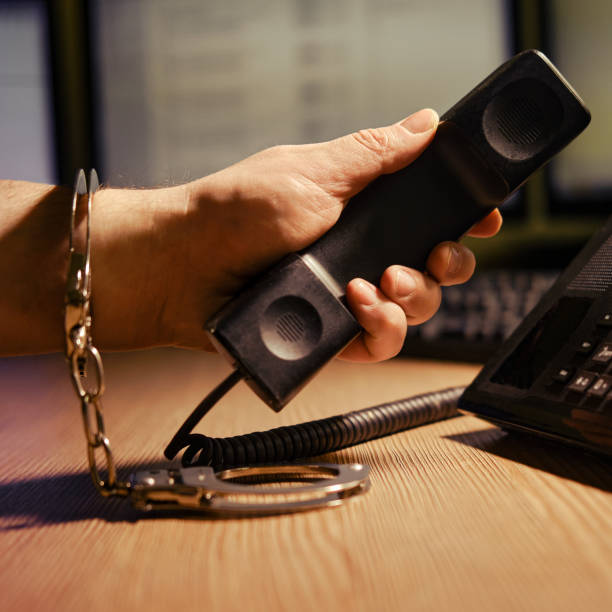
Once you have booked, you can make telephone calls. Use them wisely. Contact a family member who can assist, and have him or her call a lawyer and a bail agent. A company like King Stahlman Bail Bonds, based in San Diego, offers 24-hour service across California and can explain bail options at any hour. Provide the facts to your contact such as your full name, jail location, and if applicable, your booking number.
Understand the Booking Process

Booking includes the recording of your personal information, taking of fingerprints and photographs and the storage of your property. This may take a few hours. Release time varies depending upon the jail and time of day. Small jails may release in a few hours; large jails may take much longer. Please be patient and polite with staff. Do not discuss the case on the call; typically, the calls are recorded from jail.
Learn How Bail Works
Bail is the bail out amount that is paid to the Court to ensure that the accused is released during the pendency of the case. The amount often follows a county bail schedule and can depend on the charge and your history. A bail bond can assist you if you can’t afford the entire bail. The fee is usually 10% of the bail amount and is not returned in California. Inquire about payment plans and collateral needed.
Gather the Information Needed
Having the right details speeds everything up. The full legal name, date of birth, location of the jail, booking number and charges will be needed. If you’re unsure of where a person is being detained, you should visit the county jail inquiry system or contact a bail agent for assistance in locating a person. Record it all and have it handy. Delays are avoided by using accurate information.
Prepare for Court
Release is only the first step. This person will have to attend all court dates as failure to appear may result in a warrant and the loss of the bond. The first hearing, called an arraignment, usually happens within about two days of arrest, not counting weekends and holidays. Record date, time, and courtroom; make arrangements for transportation. Be well-groomed and on time.
Hire a Lawyer Quickly
A criminal defense lawyer can inform you of the charges, defend your rights and represent you in court. Public defenders are available at the initial hearing and may be requested if someone cannot afford one. Schedule an appointment with your attorney as soon as you can and be truthful. Getting to meet often, collect documents and put up a good defense is easier out of jail.
Conclusion
The first 24 hours following an arrest are a daunting time, but there is a plan that makes it easier. Don’t panic, don’t say a word, and don’t make a stupid call on your smartphone. Learn how bail works, gather key details, and speak with a lawyer quickly. Now you can take small steps, carefully, to ensure that your rights are respected and you can get a sense of moving forward with real confidence.