The field of colorectal surgery has experienced extraordinary progress over recent years, driven by continuous innovations in medical technology. For complicated colon, rectum and lower digestive tract problems, extensive open surgery used to be required and recovery was lengthy and uncomfortable. In the modern era, surgery is changing the face of medicine as doctors are able to cure many serious gastrointestinal diseases with greater accuracy than ever before. This technological innovation not only underscores the advancement of modern healthcare but also offers a glimpse into how medical technology is enhancing patient outcomes and safety for those undergoing complex surgical procedures globally.
High Precision Robotic Systems in Pelvic Surgery
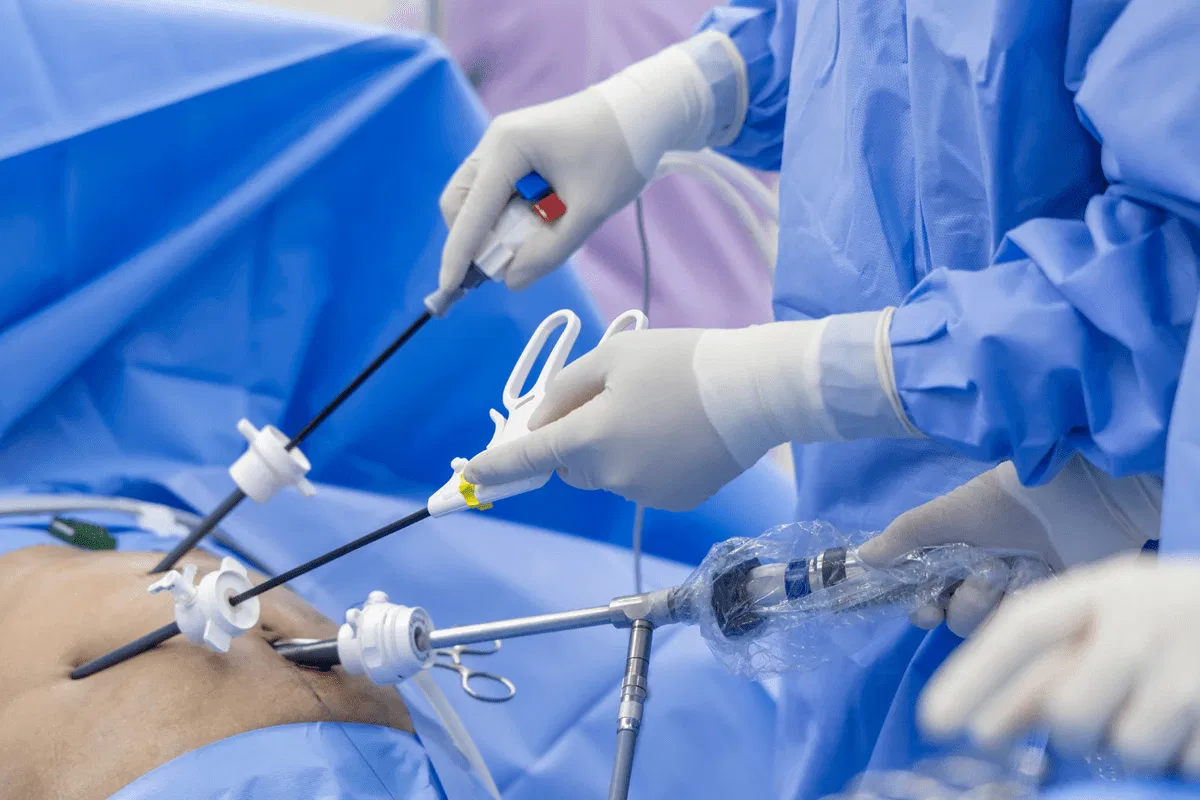
Robotic surgical platforms represent one of the most remarkable technical developments in modern gastrointestinal care. The confined space of the human pelvis makes for extremely tight tolerances to prevent harm to delicate nerves and healthy tissue. An experienced specialist who addresses advancements in colorectal surgical technology can utilize these robotic tools to execute intricate dissections with magnified visual clarity. The advanced robotic arms provide high-definition views in 3 dimensions and improved wrist flexibility, reducing subtle hand tremors in complex tumor resection and reconstructive surgeries. Such technical control results in less blood loss, fewer complications, and preservation of important functions.
Advanced Endoscopic and Real-Time Diagnostic Imaging
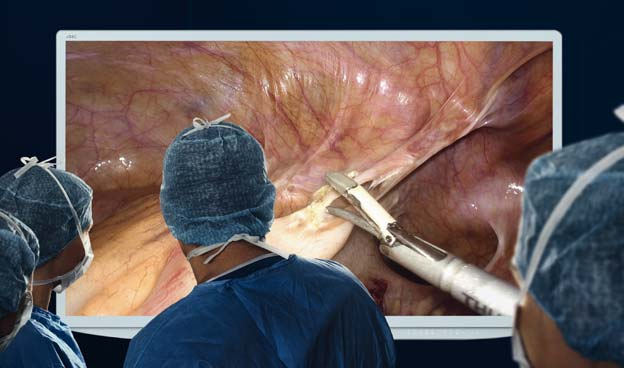
Diagnostic and therapeutic endoscopy has come a long way from being just a diagnostic tool. Clinical teams are able to examine mucosal linings at an extremely high level of detail using high-definition colonoscopes with narrow-band and magnification capabilities. These advanced diagnostic tools assist endoscopists in detecting and removing precancerous polyps early, before they progress into invasive malignancies. Furthermore, real-time digital imaging systems help surgeons evaluate tissue perfusion and vascular health during operative procedures. Clear identification of anatomical structures allows safe tissue resection while reducing the risk that may be posed by unforeseen tissue healing complications after surgery.
Enhanced Laparoscopic and Minimally Invasive Approaches
Minimally invasive laparoscopic procedures continue to be refined and developed, providing new and improved treatment options for inflammatory bowel disease, diverticulitis, and colorectal cancer. Abdominal cuts are not made as large, but rather with a special thin instrument that is inserted through small keyhole holes. The modern laparoscopic instruments have enhanced ergonomic design and integrated energy devices for effective sealing of blood vessels. For patients receiving minimally invasive procedures, there are fewer risks of wound infection, less pain after surgery, and smaller scars. These benefits are easy to translate to shorter hospital stays and quicker return to normal day-to-day activities.
Using Artificial Intelligence in Preoperative Planning.
AI is increasingly playing a crucial role in pre-operative surgical planning and decision-making. Using intricate software algorithms, a detailed three-dimensional anatomical model is created before surgery, based on complex radiological scans. These digital models enable surgical teams to plan the procedure, consider anatomical variations, and predict possible difficulties before entering the operating room. AI can be used in diagnostic assessments to make the process more efficient, improve surgical accuracy, and provide customized care plans based on the specific anatomical needs of each patient.
Conclusion
Technology has dramatically transformed the way colorectal surgery is performed, making surgeries safer, more accurate and less invasive for patients. Today, medical technology is moving towards clinical excellence with the latest in precision robotic platforms, sophisticated endoscopy imaging solutions, precision laparoscopic instruments, and AI. As these digital and mechanical solutions evolve, people who require complex colorectal surgery will have greater chances of successful operating room results, a smoother recovery and a better life following the procedure.